Start with the market, not a checklist
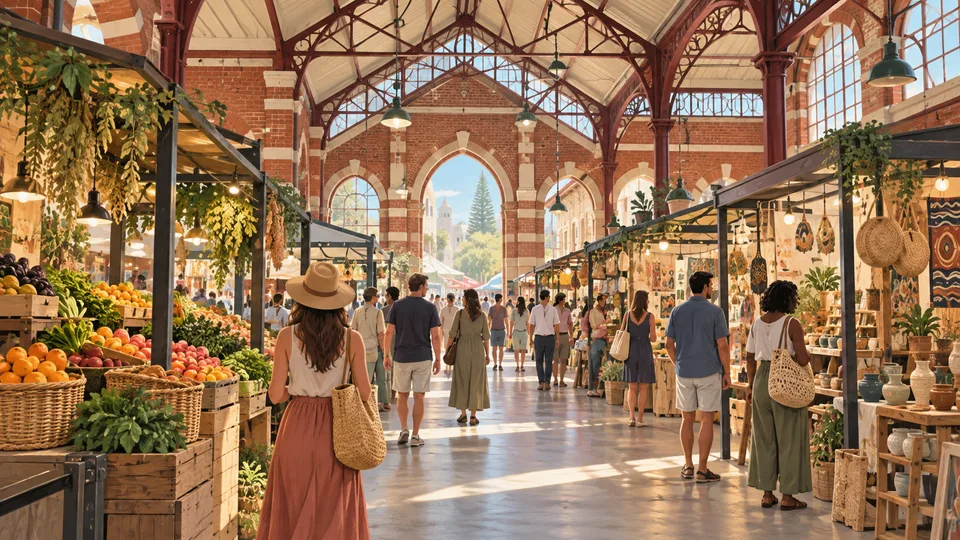
Fremantle Markets at 74 South Terrace is a good weekend anchor when you want food, produce, independent makers and a little room for wandering. The operator describes a market that has brought traders, makers, locals and travellers together since 1897, with The Yard and The Hall offering distinct but connected places to explore. Arrive with one or two priorities rather than trying to see every stall. A coffee, a snack, a produce stop or a maker purchase can each be enough reason to slow down. Check the official page before leaving, because trading days, exceptional openings and individual traders can change.
Let the building shape the visit
The market building is part of the experience, not merely a container for stalls. Its heritage setting has a long civic and commercial history, and the Government of Western Australia records the site on the State Register of Heritage Places. Walk the hall at an unhurried pace, notice the rhythm of the arches and passages, and give yourself time to return to a stall instead of making every decision immediately. The market can become busy on weekends. A short loop to understand the layout, followed by a focused second pass, is often more useful than pushing through the crowd with no plan.
Eat, shop and ask questions
The Market groups its offer around food, shopping and exploring. The Yard is a natural place to begin when fresh produce or street food is the focus, while the Hall offers food alongside merchandise and locally made finds. But the value of a market visit is often conversation: ask a trader about what is made locally, what is in season, how a product is used, or whether a stall has a quieter time. Do not promise yourself a particular item from a guide; availability is part of what changes from visit to visit. Bring a bag for purchases and take a pause before buying bulky items if you still plan to walk the surrounding streets.
Plan arrival and access
The Markets are within walking distance of Fremantle Station and central attractions. The operator advises allowing extra time for parking at busy times and considering public transport, walking or cycling. It also says accessible routes are available through the main market areas, while noting that the 1897 heritage building retains original character in places. Treat the official FAQ as the starting point for access planning and contact the Markets directly for current advice when mobility, sensory needs, assistance animals or a specific entrance matter to your group. A good visit has enough margin for an unhurried arrival.
Choose a rhythm that suits you
Markets reward attention but can also be intense: scent, sound, queues and choice all compete at once. Go early if you want a calmer first look, or later if you prefer the energy of a fuller hall, while accepting that conditions will vary. Build in a small break between browsing and eating. If you travel with children or someone who tires easily, make the Market the main activity rather than a rushed stop between several unrelated destinations. The aim is not to collect the most purchases; it is to let a small number of food, maker and heritage encounters make the visit distinctive.
Before you go
Confirm current trading information directly with Fremantle Markets, then arrive with a light plan and space for discovery. The weekend pattern can include Friday, Saturday, Sunday and selected public-holiday Mondays, but special dates vary, so the live hours page is the authority. Bring comfortable footwear, a reusable bag and a flexible appetite. The Market works best as a place to meet the people behind products, connect a heritage building to its present-day traders, and then carry that energy into a South Terrace or central Fremantle walk.
Sources
Sources last validated: 15 September 2026.